Biodiversity Preservation at Business Sites
Preservation Activities at the Yamanashi Office of Yamagata Casio
It is known that the rare plants on the grounds of the Yamanashi Office of Yamagata Casio are species that inhabited the grasslands used in rural life up until around the year 1900.Habitat for these species has shrunk due to the disappearance of management conditions suitable for them and the receding grasslands in modern times. However, the management of green space (grass cutting) on the grounds of the Yamanashi Office happens to be similar to the artificial grassland management of past times. As a result, these species have been preserved.
From this perspective, in addition to the plants Lespedeza tomentosa (which is listed as an endangered species by the Ministry of the Environment and by Kanagawa Prefecture), and Thesium chinense (which is the food plant for the insect Canthophorus niveimarginatus), Potentilla chinesis, Siberian Lespedeza juncea, and Lespedeza virgata have been identified as relatively rare grass species for protection based on the advice of experts.
Management plan for preservation and improvement of grassland biodiversity (in Japanese)
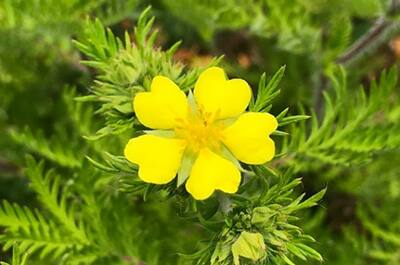
Chinese cinquefoil
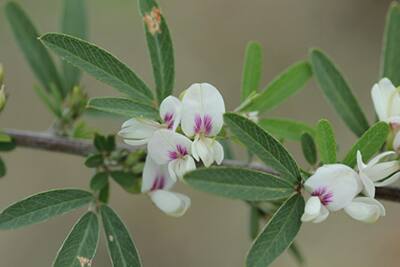
Siberian Lespedez
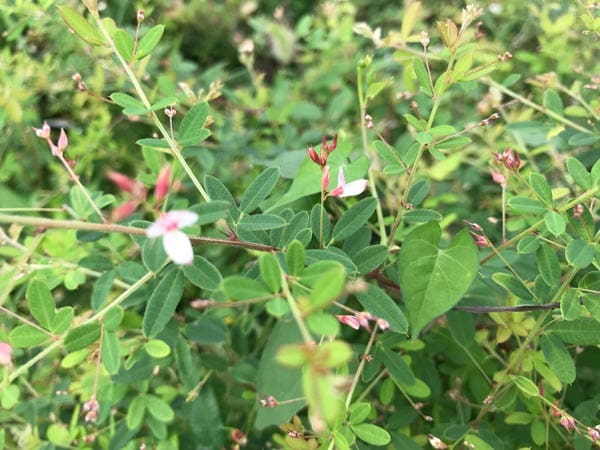
Lespedeza virgata
In light of the rare species growing in the grounds of the Yamanashi Office of Yamagata Casio, we are continuing the management of green space (grass cutting) that has not changed significantly from the past as a specific protection measure. The protection team of employee volunteers is also working to raise seedlings of rare species from seeds collected in the fall and to propagate individuals.
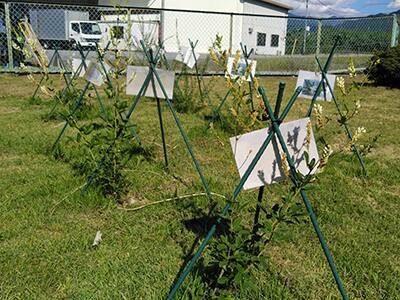
Lespedeza tomentosa cultivation (2019 autumn)
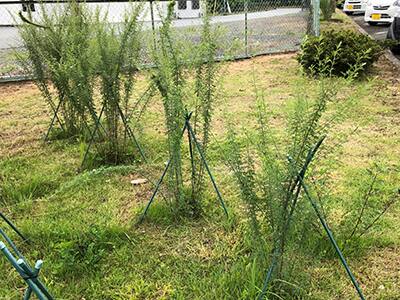
Siberian Lespedeza juncea cultivation (2019 autumn)
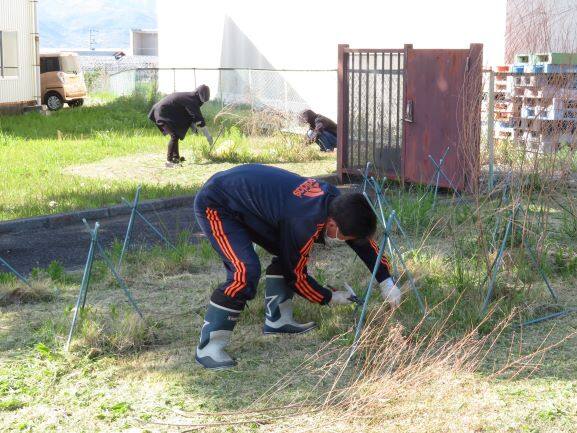
Cutting grass (April 2021)
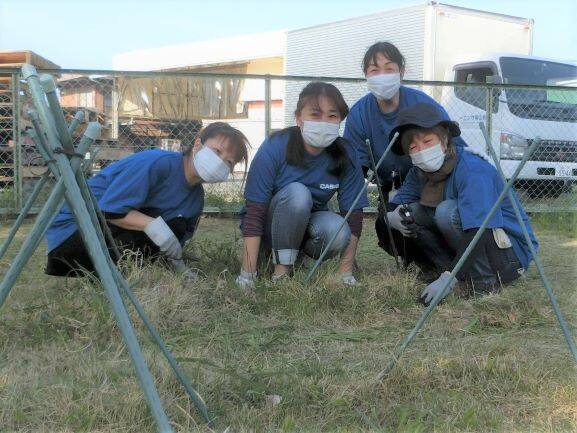
Yamagata Casio protection team (April 2021)
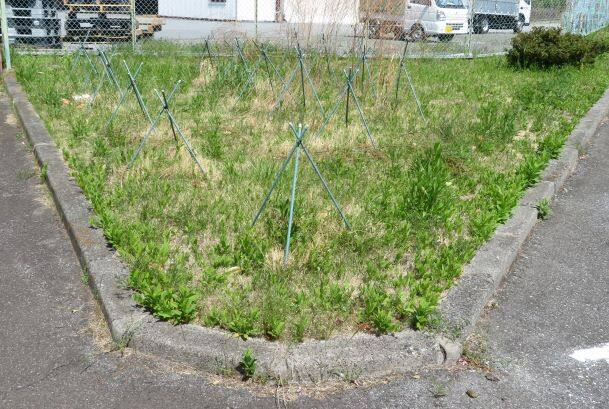
Before cutting grass
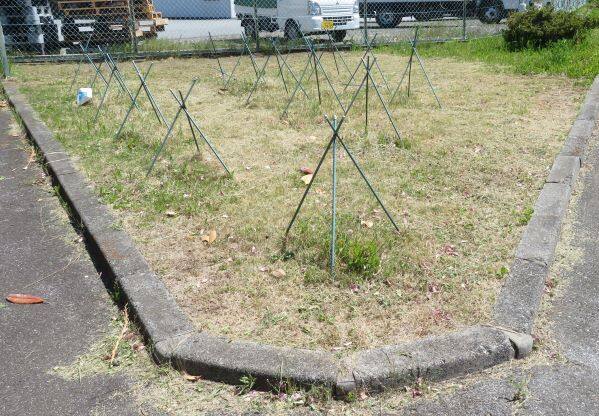
After cutting grassAfter cutting grass
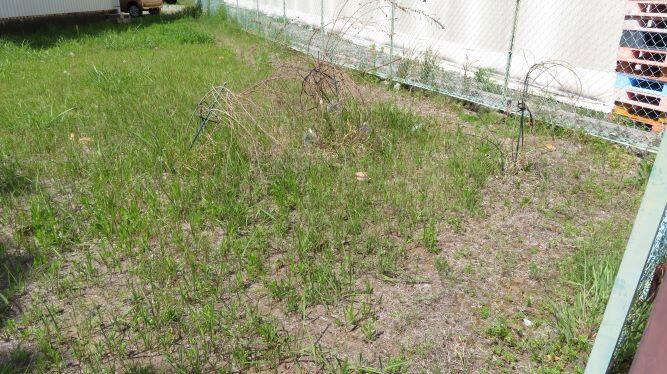
Before cutting grass
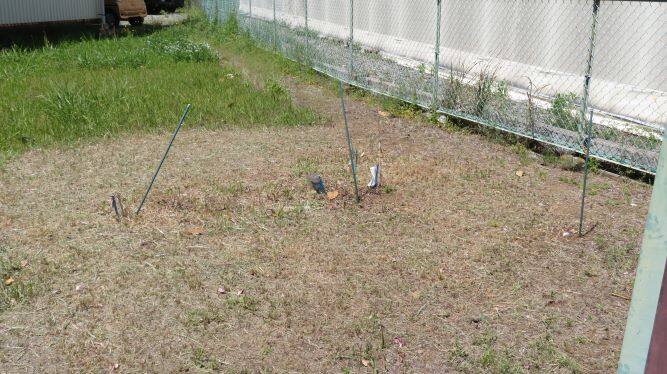
After cutting grass
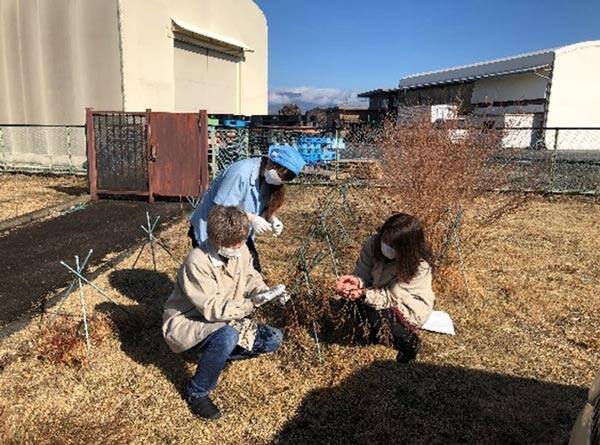
Collecting seeds of protected plants (November 2021)
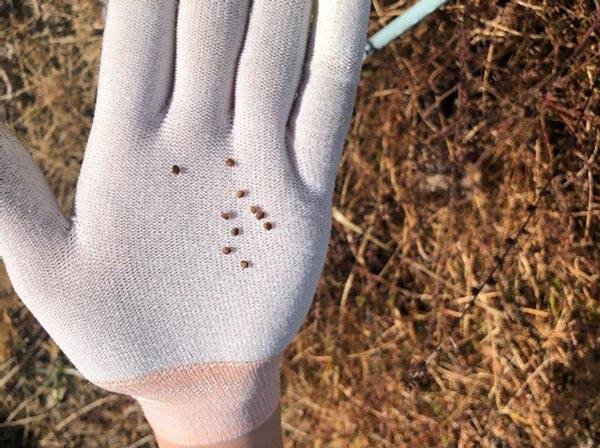
Raising protected plant seedlings (April 2022)
As a result of the activities of the protection team to date for species subject to preservation on the grounds, the number of individuals has increased, and the risk of loss has decreased. In addition, the rare species subject to preservation have been labeled with signs to improve employee understanding, and the inclusion of updated information in this report is also helping to raise biodiversity awareness.