












Free shipping on orders over $99

Casio's Technology That Merges Tradition and Innovation, Connecting to New Experiences

Casio is relentless in the pursuit of the traditional sound and touch of a grand piano, and the challenge to enhance those values and connect them to unprecedented new experiences. This has led to the development of the CELVIANO AP-750, AP-550, AP-S450 which are packed with Casio's unique technology and dedication. Let's take a detailed look at the various features, including the sound source technology and acoustic technology that produces the ultimate sound, keyboard technology that faithfully reflects the performer's intent, and new ideas that help create an unprecedented level of enjoyment.

Sound Source Technology
A grand piano produces rich and delicate tones through resonance created by its large body and complex structure. Casio's unique sound source technology thoroughly pursues the goal of producing this distinctive resonance, creating a natural and profound sound. Custom LSI specialized for electronic instruments processes large amounts of data in real-time. It finely adjusts not only the output sound but also the expressive changes in tone and response to touch for each model, tone, and individual keys, realizing superb expressiveness and playability.The "Multi-Dimensional Morphing AiR Sound Source" installed in the AP-550 and AP-S450 calculates the instrument's response to keystroke speed and the time elapsed since keystroke, allowing for precise control, from gentle touches expressing quiet performances to dynamic and powerful playing. Additionally, the AP-750 adopts the "AiR Grand Sound Source," that is also used in Casio’s flagship series, the CELVIANO Grand Hybrid series. This top-tier sound source technology embodies the exceptional character and expressive capabilities of grand pianos, earning the love of musicians worldwide. It represents the pinnacle of Casio's commitment to delivering unparalleled musical experiences.

Multi-Dimensional Morphing Technology

The grand piano's tone dynamically shifts with the player's technique and the passage of time. Casio's unique 'Multi-Dimensional Morphing Technology' carefully captures the fluid evolution of these tones. By finely adjusting the instrument's responsiveness to changes in the strength and timing of keystrokes, it empowers performers to express themselves through playing, from the gentle and delicate pianississimo (ppp) to the powerful fortississimo (fff).

Acoustic Simulator

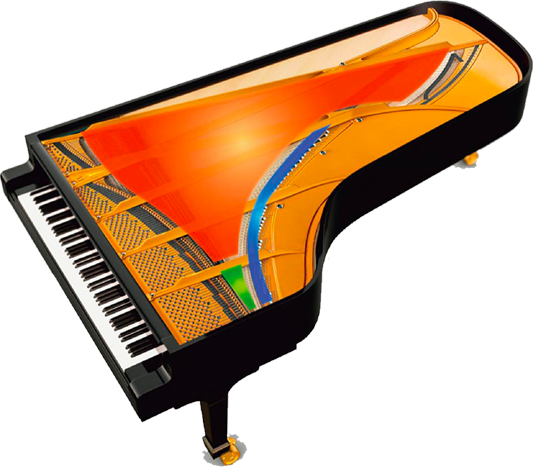
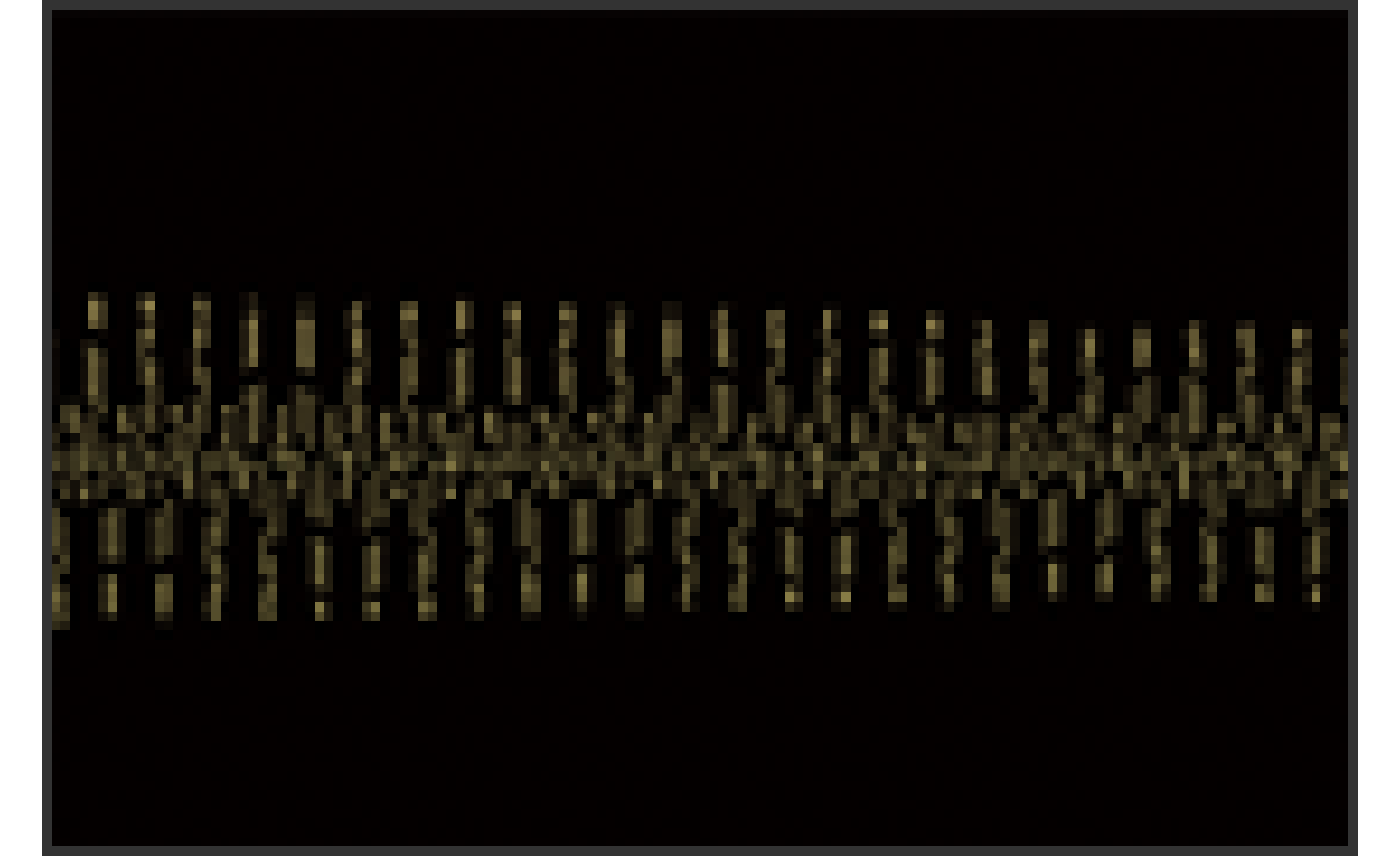
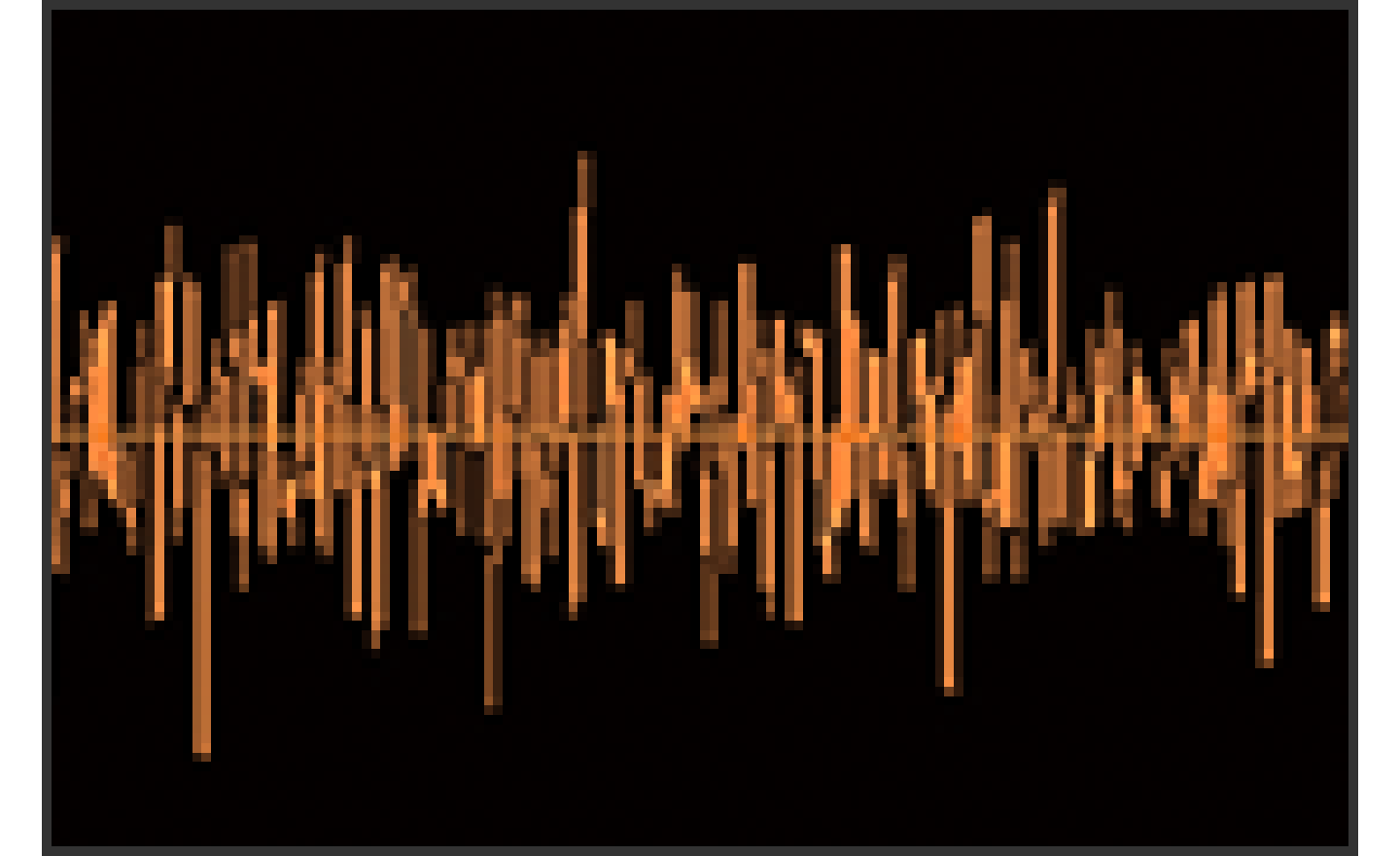
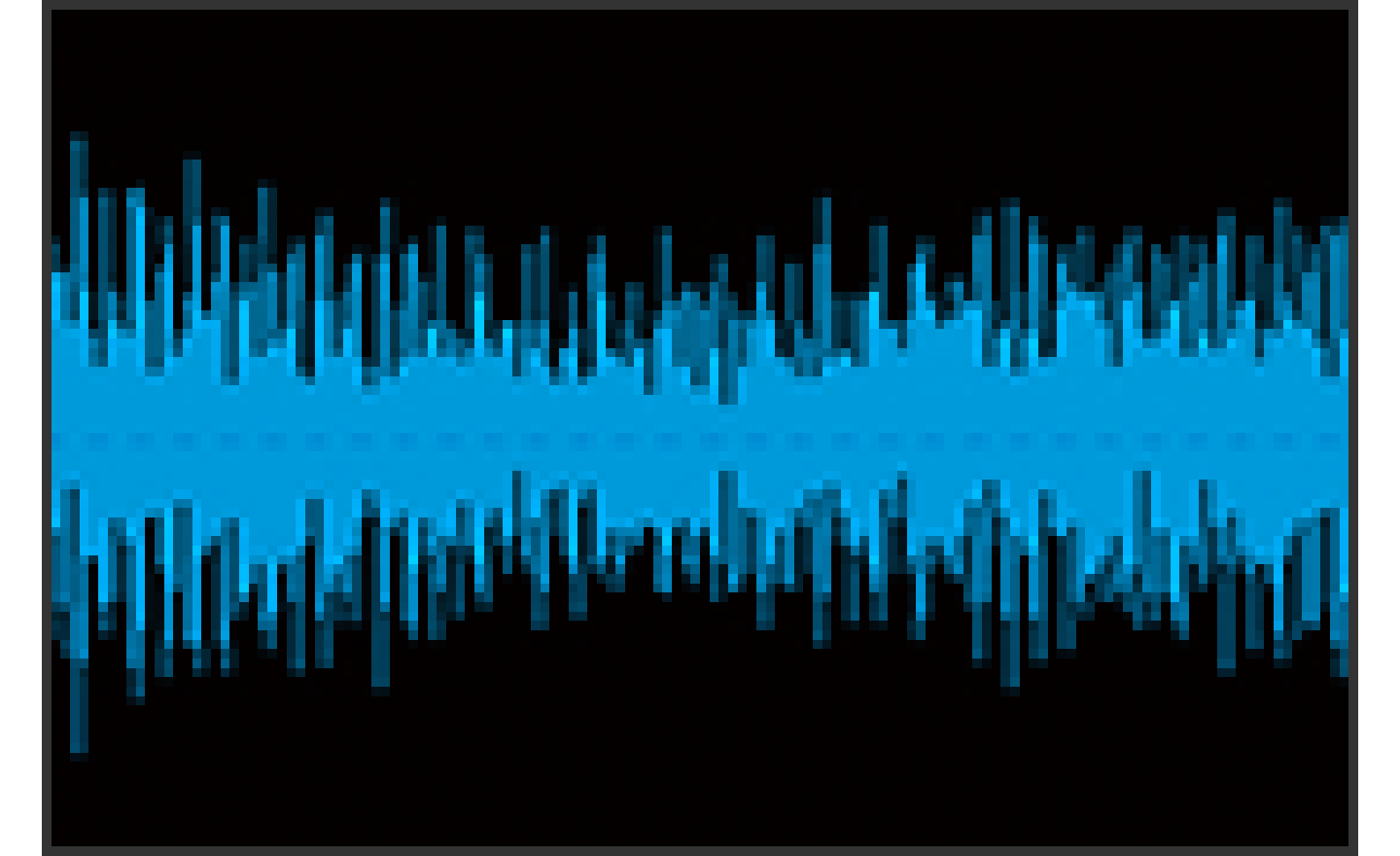
The grand piano's rich and beautiful resonance is a result of the intricate interplay between its large body, complex mechanisms, and around 230 strings. These strings resonate in response to playing techniques, phrases, and pedal positions, leading to changes in harmonic composition. Casio's “Resonance System” analyzes and authentically reproduces this intricate resonance mechanism. It articulates the nuanced resonance of each string through “String Resonance,” and replicates the resonance of all 88 strings when the damper pedal is engaged, which is known as “Damper Resonance.” Additionally, the AP-750 features “Aliquot Resonance” and “Open String Resonance,” providing constant resonance which is unaffected by the damper. This allows you to experience the distinctive, beautiful, and harmonious sound unique to grand pianos. Furthermore, the system simulates various mechanical sounds inherent in grand pianos, such as the sound produced when pressing or releasing the damper pedal (“Damper Noise”) and the sounds of mechanical operations such as when pressing or releasing the keys (“Key Action Noise”). The AP-750 also incorporates the reproduction of the mechanical sounds during pedal operation, referred to as “Pedal Action Noise.” By faithfully reproducing even the subtle sounds generated by grand pianos, it ensures a more realistic and immersive playing experience.
String Resonance

Open String Resonance
Damper Resonance
Aliquot Resonance
Lid Simulator

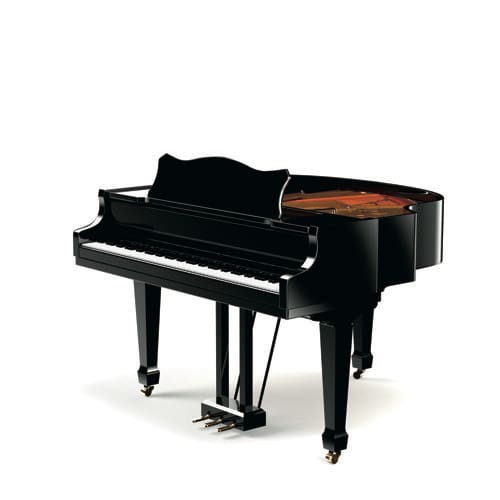
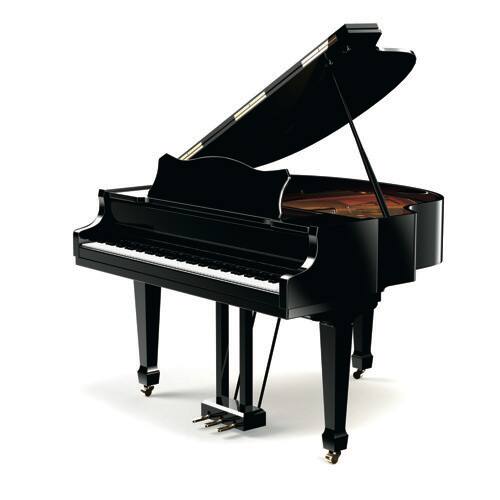
Grand pianos feature a sizable lid at the top, which can be opened and closed. Since it opens from the high-frequency side, lifting it alters the brilliance and spread of the sound, highlighting tonal changes influenced by the player's touch. The AP-750 and AP-550 come equipped with a “Lid Simulator” capable of reproducing tonal variations based on the degree of opening the grand lid in four stages. This feature enables you to perform with a lush and expansive sound specifically tailored to the piece of music.
*Note: The settings of the Lid Simulator remain constant, even if the top board of the main unit, present in the AP-750 and AP-550, is opened or closed.
The 4 stages of a grand piano’s lid opening and closing have been investigated and imitated.
Lid removee
Full-open
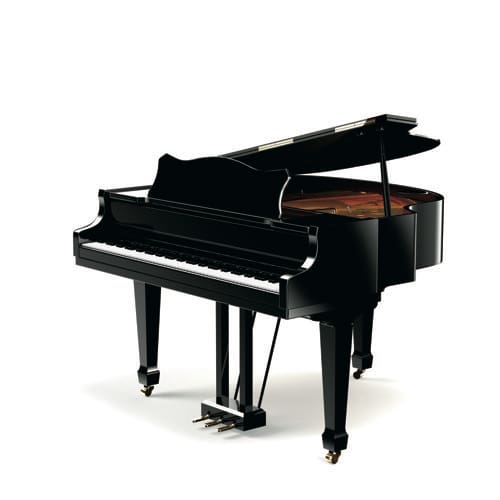
Semi-open
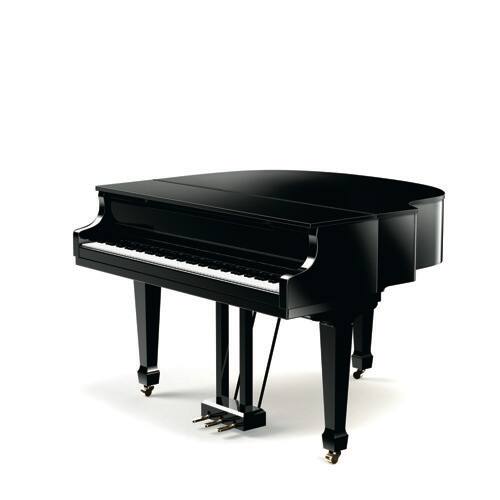
Closed
Lossless Audio Compression

In digital pianos, sound waveform data is typically compressed and stored in internal memory. When played back, it is expanded to reproduce the piano sound. However, due to this process, the playback sound, much like compressed audio formats such as MP3, inevitably experiences some degradation compared to the original sound. The "Multi-Dimensional Morphing AiR Sound Source" and "AiR Grand Sound Source" employ compression technology known as "Lossless Audio Compression." This not only prevents degradation of the waveform quality but also allows for the recording and playback of a massive variety of waveforms. This enables enjoyable performances with beautiful and expressive tones akin to those of grand pianos.
Tone
Casio's Sound Source Technology brings forth a diverse range of piano tones, including those crafted from world-renowned grand pianos. Specifically, the three grand piano tones integrated into the AP-750 are derived from the CELVIANO Grand Hybrid series. They have been meticulously developed, drawing inspiration from the distinctive qualities of three pianos—the Berlin, Hamburg, and Vienna—that have left an indelible mark on the rich history of pianos. One of these, the "Berlin Grand" tone, emerged through collaboration with the esteemed German piano brand, C. Bechstein. In the pursuit of developing a clear and transparent contour with an elegant sound, Casio meticulously examined C. Bechstein's flagship model, the "D282." The development manager, Mr. Albrecht, from the company's piano division, was invited to Casio, and together they finalized the adjustments. This development philosophy has brought to life the sound referenced in the famous quote by Debussy’: "Piano music should only be written for the Bechstein." This sound, with its beautiful and fresh transparency, a silk-like keyboard touch, magnificent and dynamic expressive power, and a softness akin to the voice of an angel, continues to captivate audiences worldwide throughout the generations.

Classical Piano Repertorie

Classical piano pieces span a wide array of styles and genres, each demanding a versatile range of expressiveness in performance. By delving into the distinctive features of different genres, we analyze nuances and sonic qualities, such as string resonance and tone variations influenced by both touch and playing techniques, tailoring them to match each genre's characteristics. In order to create a fresh new approach to savor the classical piano, we have developed 10 distinct "Classical Piano Repertoire" tones.
Acoustic System

An integral component for electronic instruments, the sound system plays a crucial role in transforming the exceptional sound source, tone, and playability achieved through key touch, into audible brilliance. It profoundly shapes the overall expressive capacity of the instrument. The acoustic systems in the AP-750, AP-550, and AP-S450 are dedicated to delivering a natural sound that captures the resonance of a grand piano, creating a heightened, expressive experience.
Grandphonic Sound System

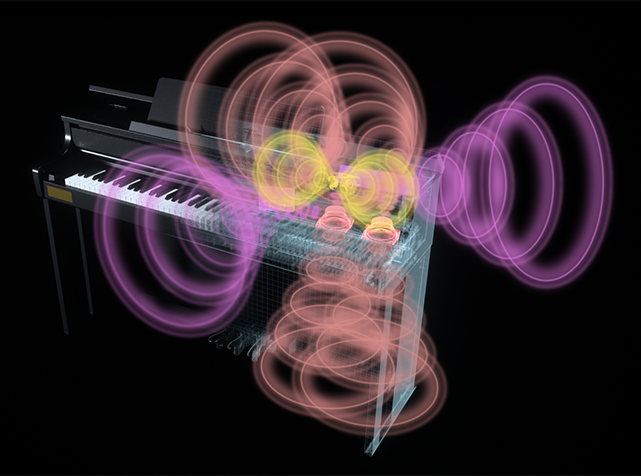
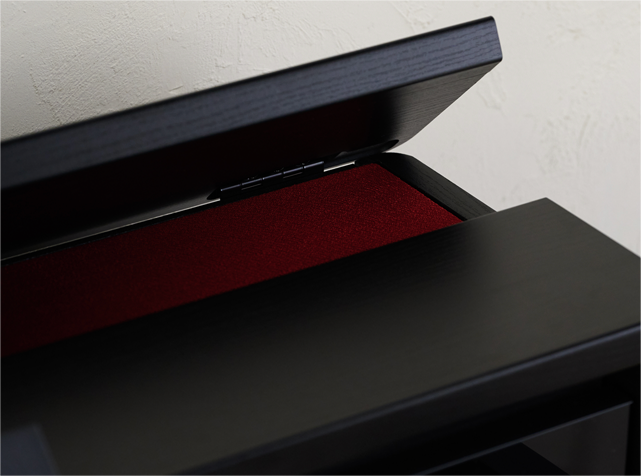
The AP-750 comes with the exclusive "Grandphonic Sound System," a remarkable acoustic setup that brings the grand piano experience to life with unparalleled realism, all thanks to Casio's innovative technology. Boasting four main speakers and four tweeters, a total of eight speakers that are driven by four amplifiers, this system individually tunes various aspects of each channel like frequency, volume, and spread. Careful selection of tweeter cone material, achieving a flat frequency response, and precise adjustment of the tweeter angle contribute to creating an immersive experience. In order to reflect sound internally, special parts have been strategically placed, ensuring a balanced auditory experience across all key ranges. The acoustics of a grand piano, where the entire instrument resonates and disperses sound is created by simulating sound holes throughout the whole body so sound from the speakers is emitted from various places. with meticulous adjustments that cater to the unique characteristics of the grand piano for each frequency range. The structure also allows for sound to easily pass through such as the top board mechanism that physically opens and closes, as well as a storage method for the keyboard cover that does not block the speakers. This approach goes beyond the typical 2-channel stereo system, providing a natural and ambient feeling, as if the grand piano is resonating throughout the instrument. The AP-550 and AP-S450, featuring a 2-channel 4-speaker system, follow the same design philosophy, inheriting the essence of this innovative sound.
Sound Mode

The AP-750, AP-550, and AP-S450 come with a Sound Mode function that lets you tailor the sound to your liking by applying various effects to the acoustic system's output, enhancing the piano experience to suit your preferences. Utilizing reverb produces a reverberation effect reminiscent of playing in a different room or hall-like spaces. Surround mode imparts a wider ambiance to the audio output from the main unit. Additionally, a Hall Simulator is included to replicate the acoustic characteristics of renowned concert halls, delivering a rich and immersive sound experience. Explore the diverse acoustic settings available to find your preferred style and further elevate your playing experience.
Volume Sync Equalizer

The "Volume Sync Equalizer" is handy when you prefer playing the piano at a lower volume, such as during sessions at home or late-night practices. Human hearing tends to struggle with perceiving low and high frequencies at reduced volume levels. The Volume Sync Equalizer automatically adjusts low and high frequencies when playing at lower volumes, ensuring a well-balanced and easily audible sound across all frequency ranges, regardless of the volume setting. This feature allows you to maintain a balanced sound, making it more enjoyable and easier to hear, irrespective of the volume level.

Bass
Treble

Smart Hybrid Hammer Action Keyboard CELVIANO Edition
The "Smart Hybrid Hammer Action Keyboard CELVIANO Edition" found in the AP-750, AP-550, and AP-S450 employs advanced digital control technology to finely manage the sound response produced by keystrokes, delivering a touch experience reminiscent of a grand piano. With a hammer action mechanism that utilizes the weight of the hammer, mirroring the feel of a grand piano, so it feels soft when played gently, and when played strongly there is an increased feeling of resistance. Each key is also equipped with a counterweight, that helps maintain balance with the hammer, allowing for smooth and stable movement even when keys are played with a light touch.

88-Key Digital Scaling/Hammer Response

While a grand piano boasts 88 keys, each key offers a unique touch due to variations in hammer size, weight, string thickness, as well as other factors. The "Smart Hybrid Hammer Action Keyboard CELVIANO Edition" employs cutting-edge "88-Key Digital Scaling technology" to faithfully recreate the nuanced touch of each grand piano key. Furthermore, thanks to the “Hammer Response” it digitally adjusts the timing of sound produced by each individual key, expressing subtle changes in the touch feeling that differ for each range, giving the player the realistic experience of playing a grand piano.

Key Off Response

The "Key Off Response function" manages the timing of damping, by tracking the movement of keys upon release. With a grand piano, the sound stops when the damper touches the strings. This function provides precise control over the timing of damping, responding to the speed at which the keys are released. This allows for nuanced expressions of touch, such as sounding the next note without cutting off the previous one during repeated notes. You can adjust the Key Off Response function in three stages, tailoring the keyboard's characteristics to match the musical style, whether it leans towards legato or staccato.
Key Off Simulator

The “Key Off Simulator function” adjusts the release time and expression based on the speed of key release, replicating the nuanced change of sound in a grand piano. It captures the subtle variations in length and expression as the performer releases the keys, allowing for the faithful representation of delicate nuances conveyed through the player's fingers.
Slow key release
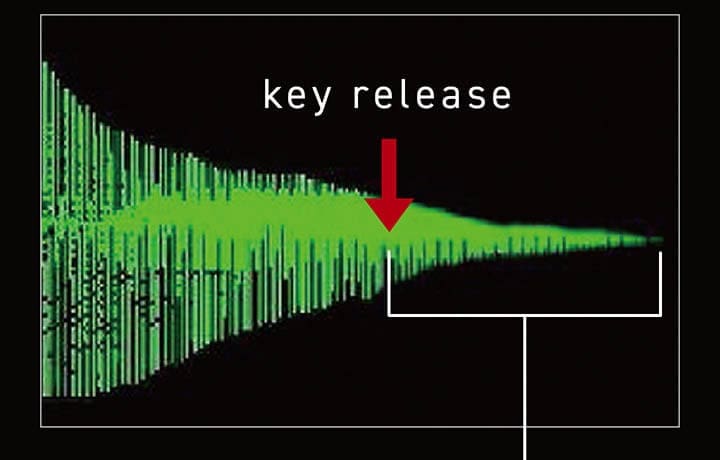
Long lingering sounds
Fast key release
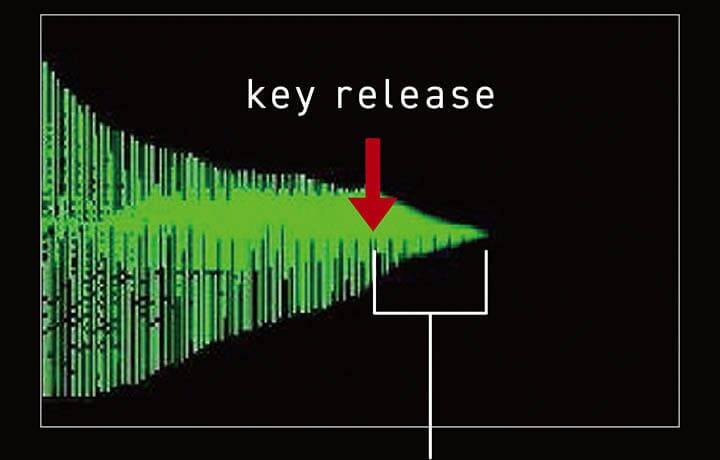
Short lingering sounds
Keyboard Material

The white keys incorporate a hybrid structure composed of resin and spruce wood, the same material found in grand pianos. With a surface finish that highlights a natural ivory-like texture for the white keys and a texture reminiscent of ebony for the black keys, it faithfully replicates the tactile experience of a grand piano. This not only ensures excellent playability but the luxurious texture also provides the stylish looks of a grand piano.

Understanding Touch
“Touch" plays a pivotal role when selecting a digital piano, it defines the feel of playing in relation to the keyboard operation needed to achieve the desired sound. While the commonly adopted "Hammer Action" mechanism in digital pianos employs the weight of the hammer to recreate a playing feel akin to a grand piano, the core mechanism of producing a sound is different between a digital piano and an acoustic grand piano, so therefore the relation between touch and sound is also different. In other words, the touch of an acoustic piano can only be accurately recreated by adopting both digital control technology and physical mechanisms. Key touch encompasses complex physical factors such as downweight, upweight, touch sense, and more. Downweight refers to the static weight required to depress the key, and upweight is the weight that restores the depressed key to its original position—both critical elements influencing the feeling of touch. The piano's hammer action operates on the lever principle, with the weight perceived by the fingers increasing with greater force. A piano's response to playing the keys and the ease of producing a loud sound will influence how light the touch feels. Digital pianos cannot alter the physical mechanisms so they utilize the natural laws of physics in order to change the weight of the touch in relation to the desired sound. When playing an acoustic piano, the touch may feel heavier in the lower register due to variations in hammer size, string thickness, and length. Additionally, touch sensitivity varies between playing closer to the front or back of the keys. The "Smart Hybrid Hammer Action Keyboard CELVIANO Edition" comprehensively designs weight characteristics, adjusting both physical mechanisms and digital control on the AP-750, AP-550, and AP-S450 to optimally match the cabinet, sound, and desired musical expression. Experience the optimal touch and responsive sound, mirroring the playing style of an acoustic grand piano.

Pedals

The three pedals found in the AP-750, AP-550, and AP-S450 are based on the design of a grand piano. Common to all three models, the damper pedal offers continuous variability, faithfully reproducing resonance changes as well as sustaining the sound as the damper opens. The depth of pedal press provides subtle control not just over rhythm and harmony but also tonal aspects. By using the soft pedal, you can naturally express the change in tone caused by the horizontal movement of the hammer unit when playing a grand piano. With the AP-750, the soft pedal is continuously variable, while the AP-550 supports half-pedaling functionality, enhancing nuanced control during soft playing. The pedal units of the AP-750 and AP-550 have been reinforced at a hardware level, adopting shape and spacing that is based on pedals used in grand pianos. This adjustment enables a deeper press stroke, facilitating delicate continuous control. Reinforced mechanical components and bottom adjusters ensure stable and precise control, even during intense use of the pedals. The AP-S450 features a slim three-pedal unit that strikes a balance between compact design and usability. It includes a continuously variable damper pedal, catering to expressive pedal use.

Visual Information Bar
Keystroke Velocity Display

The Visual Information Bar introduces a unique feature that uses the length of light to visually represent the strength and weakness of keystrokes. While discerning subtle differences in keystroke velocity through listening alone can be challenging, this function offers a clear visual understanding. For example, when aiming to incorporate variations in expression within the same phrase, the visual display serves as confirmation of changes in keystroke strength. For duet performances using the duet function, the bar is split in the center, displaying the velocity of keystrokes on both the left and right sides. Additionally, when playing back songs recorded with the built-in MIDI recorder, keystroke velocity can be observed on the Visual Information Bar. For example, you can check things that are difficult to ascertain while playing, such as how dynamic changes in sound are included
into the flow of the overall song.
Damper Pedal Depth Display

While pedals, which are crucial to piano performance, often remain inconspicuous at the feet, the Visual Information Bar brings their subtleties to light. By visually displaying the depth of the damper pedal press, this feature makes the traditionally hard-to-discern sensations of shallow or deep pressing instantly clear. The light length serves as a visual indicator, visible to both the player and the instructor, facilitating the communication of precise pedal techniques. During duet performances, the centrally divided Visual Information Bar responds to the depth of pedal pressing on each side. Additionally, during playback of songs recorded with the built-in MIDI recorder, the damper pedal's depth is showcased visually. For example, you can check things that are difficult to understand just by listening, such as how a chord resonates depending on the timing of the pedal being used.
Metronome

Harness the power of the Visual Information Bar to transform your piano experience. This feature ingeniously displays beat timings through captivating light motions on the front panel, effectively doubling as a metronome. With five distinctive light patterns at your disposal, you have the freedom to customize the display according to your preferences and specific musical goals.
Instrument Status Display

The Visual Information Bar can also provide a simplified display of the digital piano’s
current status. In addition to displaying the approximate playback position when playing back with the Instant RePlayer, it also shows Bluetooth pairing errors, current writing status, as well as which item is selected among multiple settings. This makes it easy to understand the settings of the instrument even without an LCD screen.
Audio Illumination Function

When you connect the device via Bluetooth and play music, it comes equipped with an illumination function on the Visual Information Bar that lights up in sync with the music. There are four lighting patterns, allowing you to enjoy music with added visual effects.
*The Visual Information Bar can also be turned off.
Instant RePlayer
Activating the "Instant RePlayer" function initiates continuous recording with key or pedal presses, storing performance data for up to 270 seconds. Once it exceeds 270 seconds, older recordings are overwritten, eliminating the need to be conscious of recording. While freely playing or practicing, if any points of interest arise, you can easily specify the playback point and listen back instantly. In contrast to typical recording functions that start playback from the beginning of a song, Instant RePlayer allows you to specify the playback position in 5-second intervals, enabling immediate playback when you want to review a specific phrase that didn't go well. Additionally, by marking positions during performance that you want to revisit later, you can specify playback positions, making it extremely convenient for pinpoint listening to challenging sections or comparing multiple difficult parts. The operation can be performed on the piano itself or easily through the “CASIO MUSIC SPACE” dedicated app.

Features
Recording Function

Pressing the recording button starts MIDI recording to the internal memory. It allows recording of up to 2 tracks, enabling separate recording of right-hand and left-hand data. This facilitates improved efficiency when practicing each hand individually, layering sounds for practice, and enjoying solo performances with overlapping recorded playbacks. Additionally, it comes with an Audio Recorder, allowing you to record performances as audio data on a USB flash drive (AP-750 also supports recording to the internal memory). Data saved with MIDI or Aoudio Recorder can be transferred to other devices like smartphones or computers for streaming or editing.
Scenes

The AP-750 introduces "Scenes," a feature that presets tone, resonance, and reverberation combinations etc., Ideal for reliving the experience of different historical periods, famous composer styles, or various performance settings. With 10 predefined scenes covering composers, eras, and playing scenarios, plus the option to save 10 custom scenes, it provides a versatile and personalized playing experience.
App (CASIO MUSIC SPACE)

The dedicated app "CASIO MUSIC SPACE" makes controlling your digital piano a breeze with its user-friendly piano remote feature and graphical UI. When connected via the included Wireless MIDI & Audio Adaptor or USB cable, you can effortlessly tweak piano settings and control it remotely. This comes in handy for fine-tuning effects or adjusting multiple parameters at once. Plus, the app includes sheet music for classical masterpieces and practice pieces, allowing you to make annotations directly onto the sheet. Dive into the "Concert Play" feature to play alongside realistic orchestral recordings, creating the vibe of a collaborative performance. You're also in control of playback functions like play, pause, fast forward, rewind, and A-B section repeat for Concert Play songs. And don't forget, you can even tweak the tempo to make practicing those challenging pieces a walk in the park.
