




























“Akiko’s Piano” Digital Sound Source Project – Chapter 2
— From Hiroshima to the World: A Sound Passed On to the Future
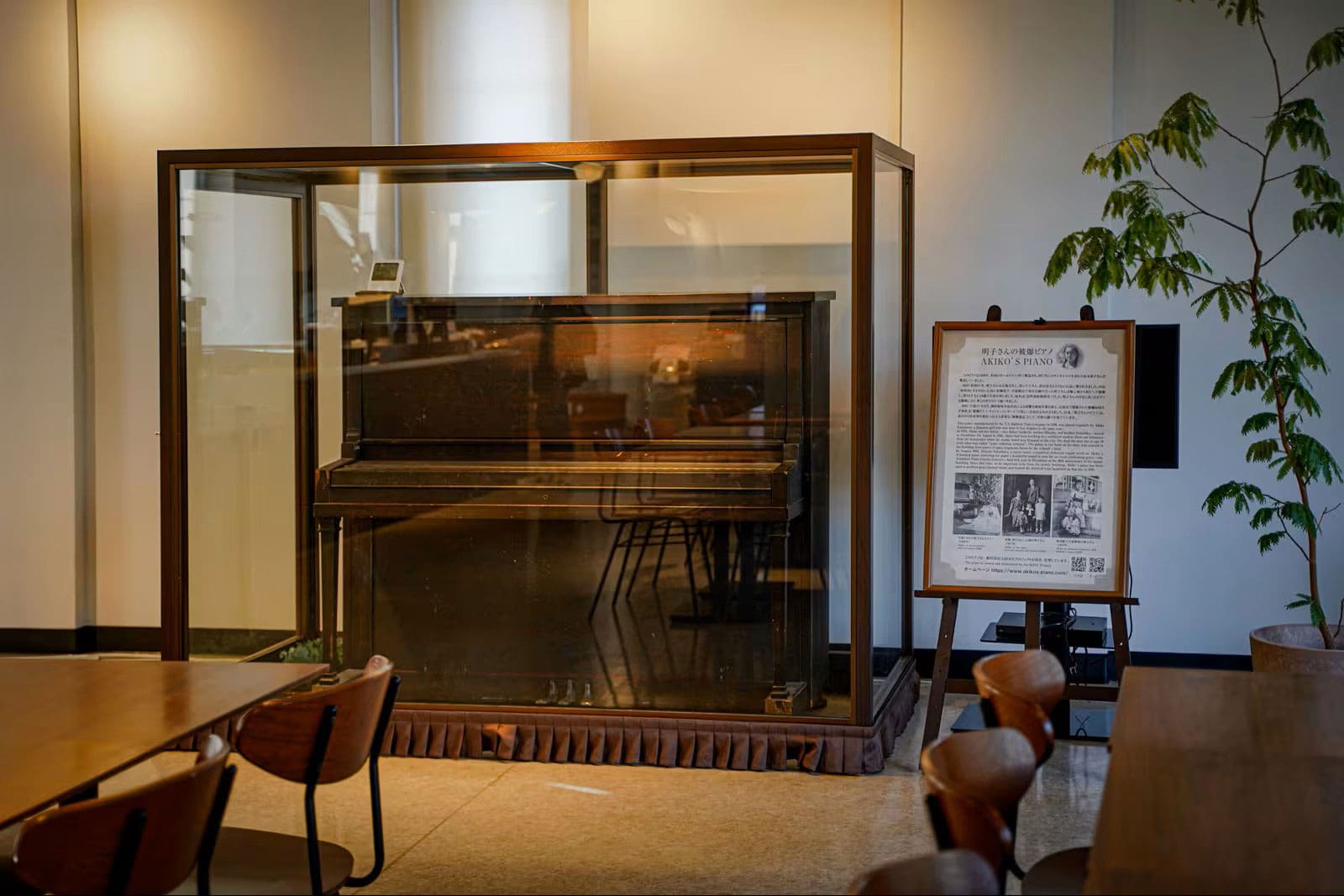
In 2025, the “Akiko’s Piano” Digital Sound Source Project was launched to preserve the sound of the historic upright piano known as “Akiko’s Piano” for future generations.
Approximately 3,000 sounds were recorded in Hiroshima. Each was carefully examined for its unique resonance and character, and the recordings were ultimately reconstructed into approximately 1,700 sounds.
Then, in June 2026, the digitally preserved sound of Akiko’s Piano crossed the ocean for the first time, making its way to Hamburg, Germany.
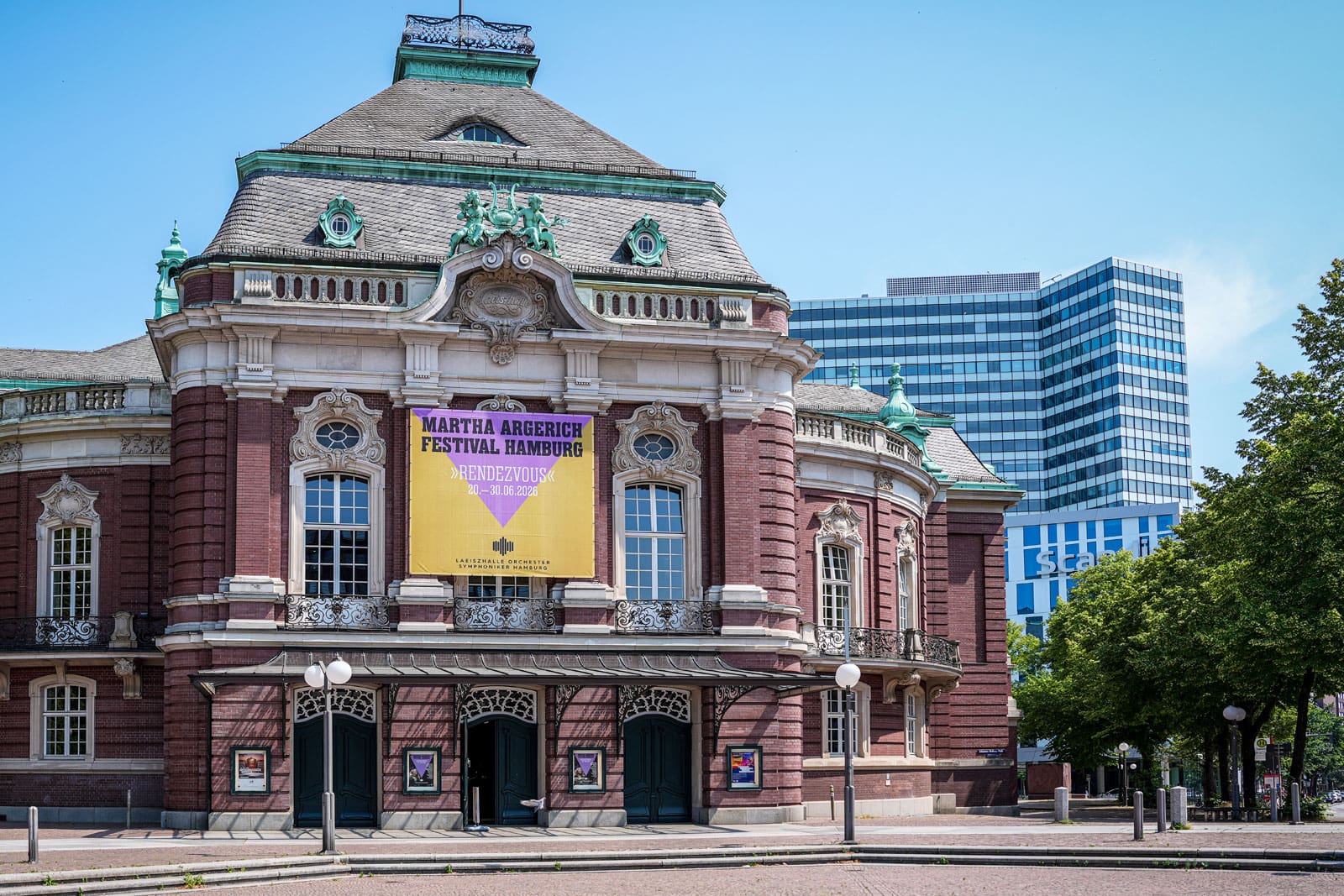
There, it was presented on the stage of the Martha Argerich Festival, centered around world-renowned pianist Martha Argerich.
What began in Hiroshima had now crossed borders and reached a new stage.
Through the words of the musicians who encountered the sound of Akiko’s Piano in Hamburg, this article explores the new possibilities that are beginning to emerge through the digital preservation of its sound.
— Akiko’s Piano Crosses the Ocean
The Martha Argerich Festival has been held in Hamburg, Germany, since 2018, bringing together world-renowned pianist Martha Argerich and musicians from around the world.
The eighth edition of the festival took place from June 20 to 30, 2026, featuring a diverse program performed by artists from across the globe.
It was on this stage that the digital sound source of Akiko’s Piano was presented.
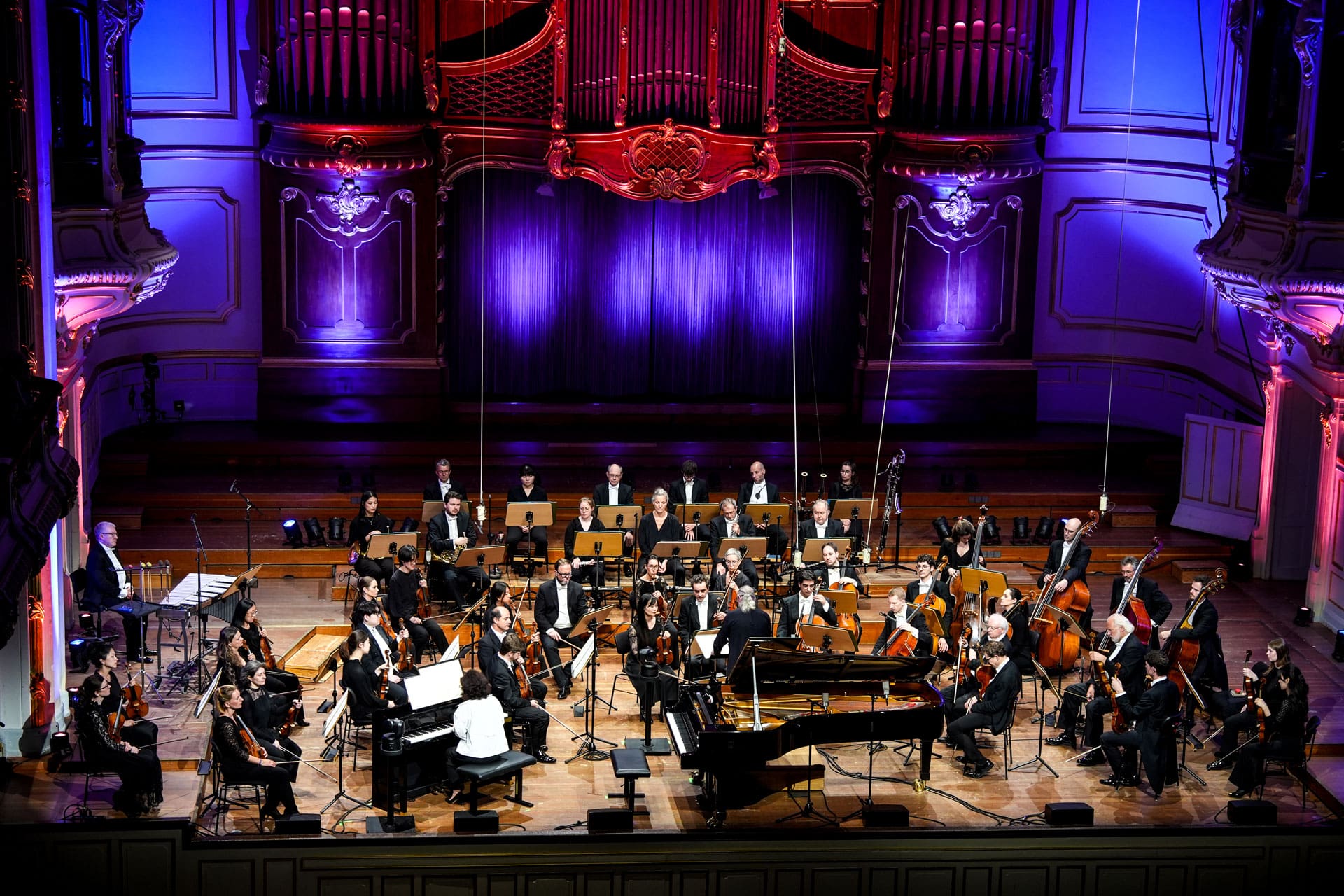
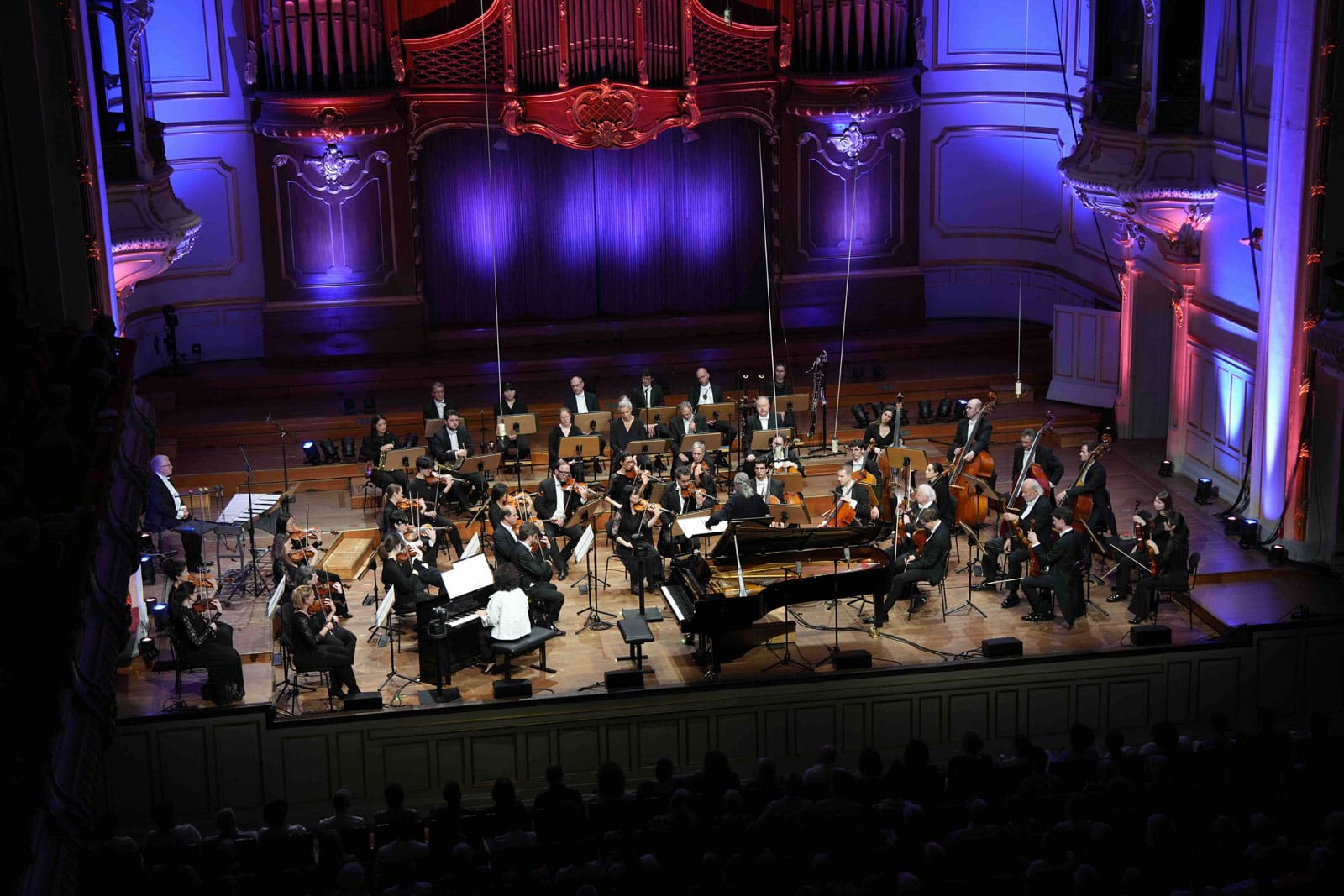
On June 27, it was featured in The Postman of Nagasaki, a stage production combining Noh theater and music. On June 29, it was used in composer Dai Fujikura’s Akiko’s Piano – Piano Concerto No. 4.
Pianist Akane Sakai performed on both occasions.
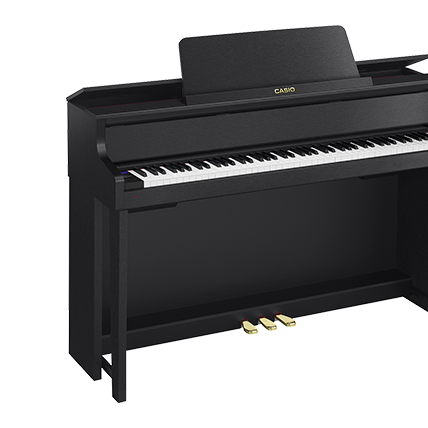
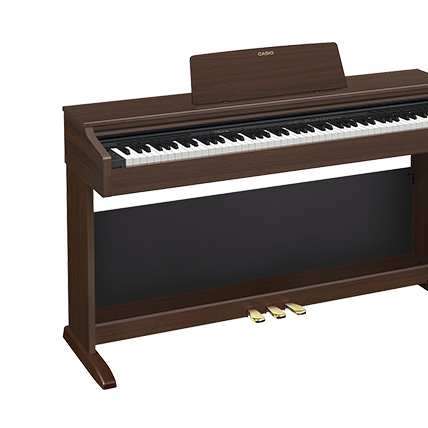
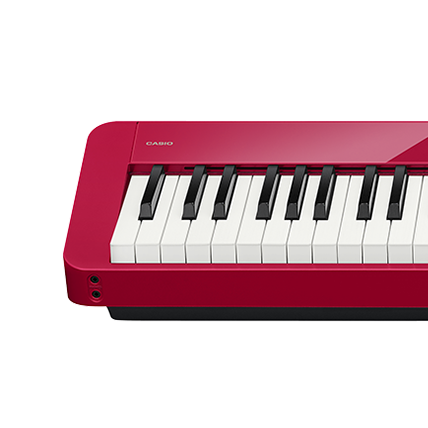
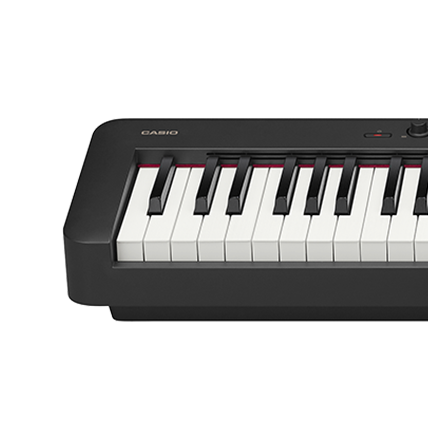
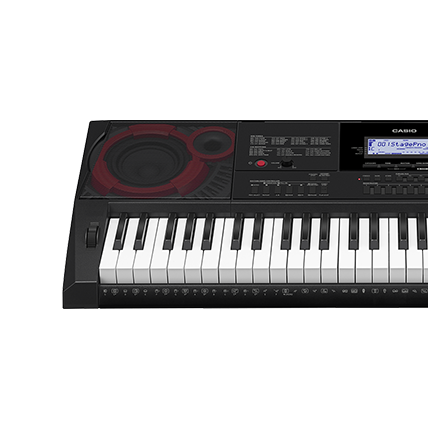
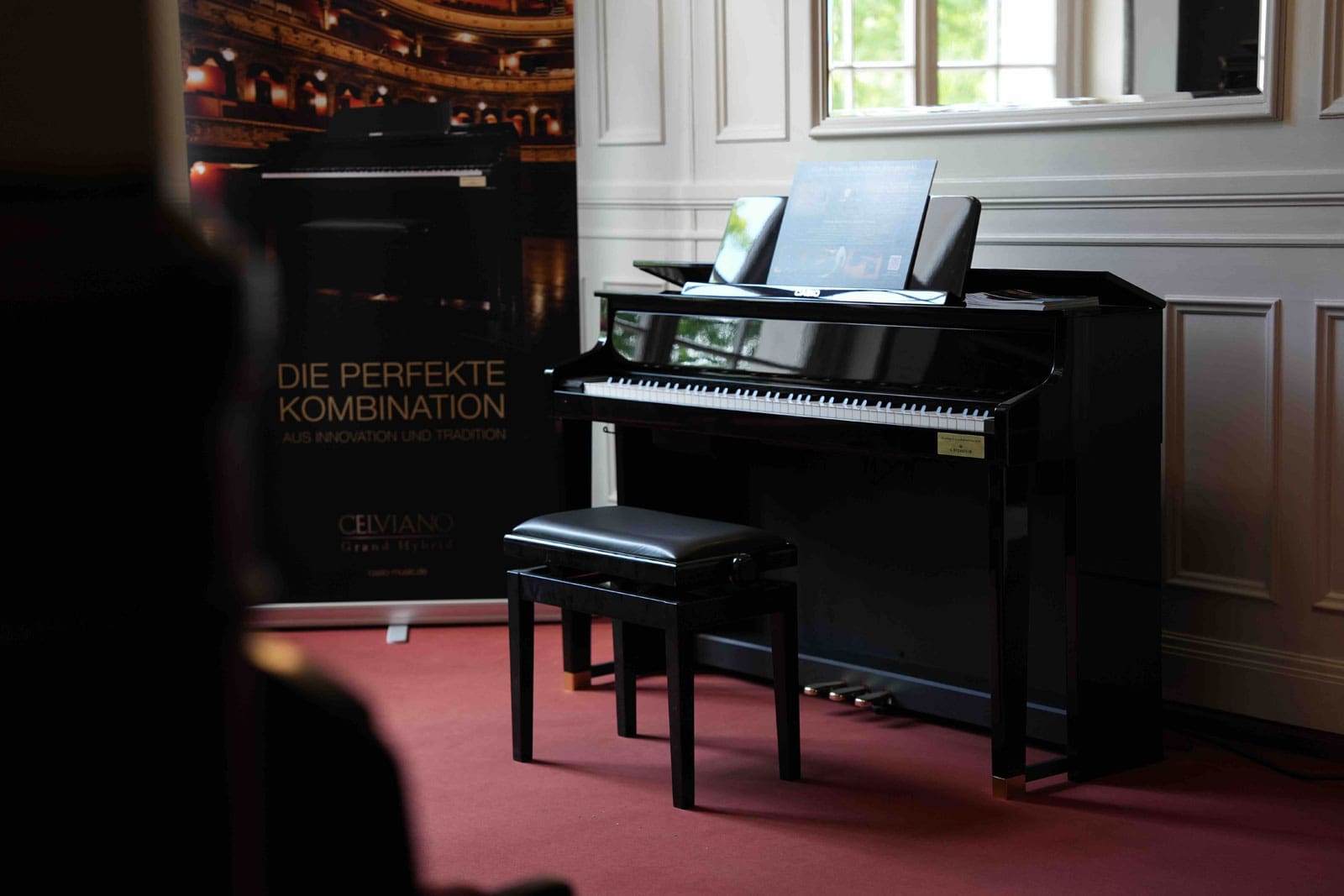
Without moving the original Akiko’s Piano from Hiroshima, its sound was performed through a CELVIANO digital piano, bringing the distinctive resonance of Akiko’s Piano to European audiences for the first time.
— Bringing Its Sound to the World
Akiko’s Piano is a one-of-a-kind instrument.
Preserving its sound digitally is about more than preserving the instrument itself. It also opens up the possibility of carrying its distinctive sound beyond geographical boundaries.
Daniel Kühnel, Artistic Director and Managing Director of the Symphoniker Hamburg, spoke about the project:
Daniel Kühnel
“The sound of this special and unique piano can now be carried around the world. I think that is a symbolic and invaluable opportunity.”
The sound of a piano located in Hiroshima crossed the ocean and was performed again in another place.
The possibilities created through the digital preservation of its sound became a reality on the stage in Hamburg.
— A “Special Piano” in the Eyes of Martha Argerich
Martha Argerich has personally played Akiko’s Piano.
In an interview in Hamburg, she reflected on that experience.
Martha Argerich
“Akiko’s Piano is a truly beautiful piano. I have actually played it myself. Playing that piano was a deeply moving experience.”
She went on to speak about preserving its sound in digital form.
Martha Argerich
“I think it is truly wonderful that this beautiful sound can be preserved for the future.”
While the original piano remains in Hiroshima, its sound can now be played in other places.
What began as an effort to “preserve the sound” is opening up a new possibility: “bringing the sound” to people around the world.
— European Premiere of Akiko’s Piano
On June 29, composer Dai Fujikura’s Akiko’s Piano – Piano Concerto No. 4 was performed. The work is dedicated to Martha Argerich.
At the 2026 festival, it received its European premiere at a festival bearing Argerich’s name.
Dai Fujikura
“This concerto was originally dedicated to Martha Argerich. So, for it to be performed at a festival bearing her name—and for this to be its European premiere—makes it very special.”
Toward the end of Akiko’s Piano, there is a cadenza performed on the CELVIANO.
The orchestral sound gives way to a moment in which only the sound of Akiko’s Piano remains.
That sound plays an important role within the work.
— When the Piano Speaks of Memory
Sylvain Cambreling, who conducted Akiko’s Piano for this performance, spoke about the cadenza toward the end of the work.
Sylvain Cambreling
“When the piano begins to speak in that cadenza, it goes beyond the story of Akiko alone and becomes the story woven together by Akiko and the piano.”
He went on to describe what remains beyond that moment:
“What remains is the voice of memory—the memory of Akiko and the piano.”
The years through which Akiko’s Piano has lived and the memory of Akiko Kawamoto come together through the music, reaching listeners as a single sound.
— The Sound Brought to Life Through CELVIANO
Pianist Akane Sakai was the musician who brought that sound to life on stage.
Reflecting on the audience’s response during the performance, Sakai said:
Akane Sakai
“I could really feel how intently everyone was listening. It felt different from usual, and I thought that was wonderful.”
Speaking about the European premiere of Akiko’s Piano and the role of CELVIANO, she added:
Akane Sakai
“It was the European premiere, and we simply couldn’t have done it without CELVIANO.”
“I don’t think you often come across a piece that could only be realized because this instrument existed.”
The sound of Akiko’s Piano, recorded in Hiroshima, was brought to life again in another place through the expression of a performer.
CELVIANO served as the bridge connecting that sound with the musician.
— Communicating Through Music
The project began with the idea of preserving the sound of a single piano.
In Hamburg, that sound encountered musicians and audiences from around the world, opening up new possibilities.
Kühnel described the project in these words:
Daniel Kühnel
“It is a very beautiful, pure and deeply moving idea.”
Speaking about the meaning of musical performance, he continued:
“Our performances are not merely decorative. We are not here only to entertain; there is something we want to communicate.”
And on the possibilities created by this initiative, he added:
Daniel Kühnel
“Thanks to this concerto, this project, and Casio, that message can now reach many more people around the world.”
Music has the power to communicate feelings and ideas beyond words.
The sound of Akiko’s Piano, too, continues to be passed on to new places each time it is performed and heard.
— The Sound Tells a Story of Memory, Its Resonance Connects the Future
The “Akiko’s Piano” Digital Sound Source Project began in Hiroshima.
At its heart was a desire to preserve for the future the sound of a piano that may one day no longer be playable.
In June 2026, the sound preserved in digital form crossed the ocean for the first time and was played again on the stage in Hamburg.
A sound does not live on simply because it has been recorded.
When it is played by someone, and when someone else listens, it begins to live in a new moment.
From Hiroshima to Hamburg.
And beyond.
The sound of Akiko’s Piano will continue to be passed on through the hands of musicians—to the world, and to the future.